
Translating exercise guidelines
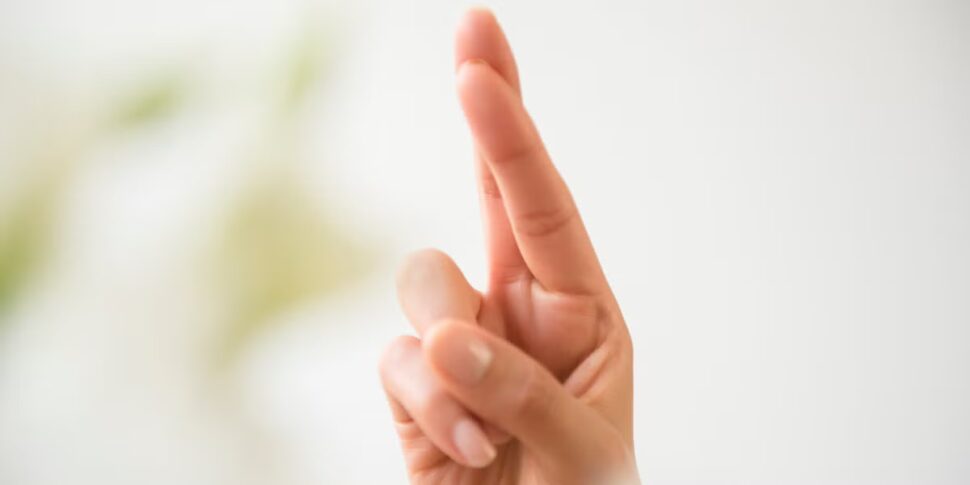
I’ll keep the original headings in the same format but translated. For the paragraph explaining "pinky time", I’ll describe how to cross the index and middle fingers, pinch with the thumb and ring finger, and wiggle the pinky for 30 seconds on each hand. Then I’ll mention that exercising both hands is a sign of good brain health and may even help prevent dementia. After that, I’ll address whether wiggling the pinky indicates brain health. Lastly, I’ll note the lack of research on this specific exercise and share caution about social media exaggeration.Translating health information
I’ll work on the heading "Can ‘pinky time’ prevent dementia?" and clarify that it cannot actually prevent dementia. I’ll also mention that while loss of fine finger movements can occur, just practicing this won’t significantly help brain health. There’s no solid evidence linking these pinky exercises to reducing Alzheimer’s risk.
Next is the heading "What does it mean if you can’t do the ‘pinky time’ exercise?" where I’ll discuss anatomical variations and emphasize the inability to diagnose solely based on this.
Then I’ll provide suggestions for boosting brain health, like going for a brisk 10-minute walk after meals and learning something new, as novelty helps strengthen brain networks.Translating brain health tips
I’ll begin by translating “Cultivate your social network” and “Get some shut-eye.” After that, I’ll translate the heading "The bottom line," opting for "En resumen" while maintaining the heading format.
In the paragraphs, I’ll convey that you shouldn’t stress about fitting "pinky time" into your routine. I’ll also mention that while hand dexterity and coordination relate to brain health, they won’t make a significant impact alone.
Finally, I’ll include Dr. Liff’s point that "pinky time" isn’t the only method for improving hand mobility.Translating final insights
I’ll translate the idea that there are daily activities, like practicing an instrument or playing a sport, which involve more than just isolated tasks. The final paragraph will reflect Dr. Perlmutter’s view that hand exercises can’t protect the brain. Instead, he highlights that the most effective ways to safeguard brain health encompass physical, mental, and social activities that can influence inflammation and mitochondrial function.
While these hand exercises are safe and potentially enjoyable, I’ll clarify that they shouldn’t distract us from proven interventions. I’ll make sure to maintain emphasis on terms like microglia and translate it appropriately.

Más noticias

El gran engaño del azúcar: lo que la fructosa realmente hace en tu cuerpo
El azúcar engorda, ataca los dientes y favorece enfermedades crónicas....

Si añades este ingrediente a tus frijoles, tendrás menos gases
Las legumbres son muy saludables, pero no sin razón se...

Comida congelada frente a conservas: ¿cuál es mejor? La respuesta es muy clara.
La fruta y verdura de temporada es saludable y respetuosa...