
Clarifying translation instructions
The instruction says not to translate the tags and their content, so I need to leave those as-is in the HTML. This includes the alt text. It seems I should leave the
tags untouched while keeping them in their original positions to maintain structure. So, I’ll ensure that any text content like headings and paragraphs will be translated, but the
tags will stay exactly as they are.Detailing translation preservation
I need to ensure that the
tags are preserved for translation, but I can translate the content inside them. It’s also important to keep the
and other heading tags along with their node IDs, although it’s not strictly required. I’ll rewrite the content, translating headings like
while keeping the tags intact. I must also preserve list structures like
and
- while translating their content.Translating key points
The text mentions some rice products having higher arsenic levels than others, and I need to explain how to stay safe. I’ll maintain the heading style, translating "Key Points" to "Puntos Clave," and I think keeping it under a collapsible section fits well. The content is already structured as a list with bullet points, so I’ll rewrite these in Spanish. I also need to ensure the "Key Points" button translates to "Puntos Clave." The "Caret Right" icon will stay as is. Now for the body, I’ll translate the information about rice consumption in America.Translating the rice report
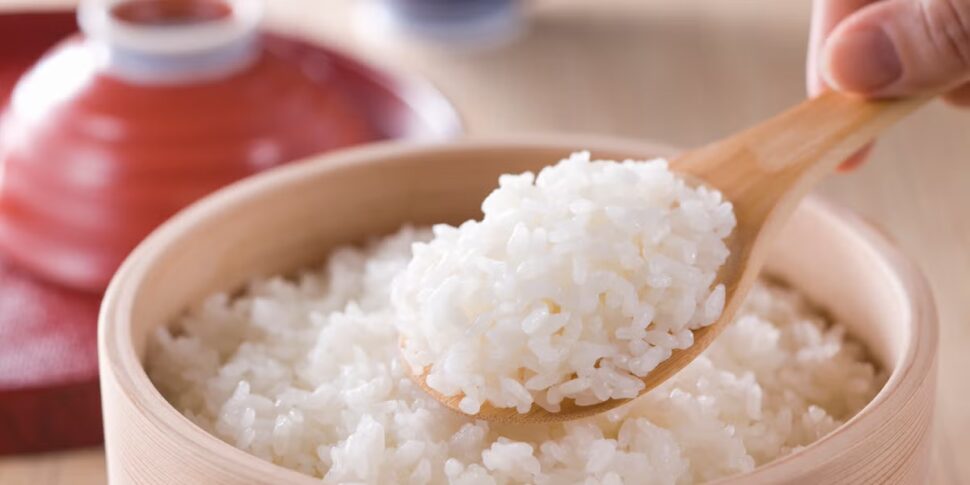
The translation needs to cover the fact that almost 40% of Americans consume rice weekly, regardless of the type, whether brown, white, or even black; it’s a staple in many cuisines. It’s concerning that a recent report states that many popular rice products may contain worrying levels of arsenic. Additionally, testing by Consumer Reports found "measurable levels of inorganic arsenic"
- and
- while translating their content.Translating key points
The text mentions some rice products having higher arsenic levels than others, and I need to explain how to stay safe. I’ll maintain the heading style, translating "Key Points" to "Puntos Clave," and I think keeping it under a collapsible section fits well. The content is already structured as a list with bullet points, so I’ll rewrite these in Spanish. I also need to ensure the "Key Points" button translates to "Puntos Clave." The "Caret Right" icon will stay as is. Now for the body, I’ll translate the information about rice consumption in America.Translating the rice report
The translation needs to cover the fact that almost 40% of Americans consume rice weekly, regardless of the type, whether brown, white, or even black; it’s a staple in many cuisines. It’s concerning that a recent report states that many popular rice products may contain worrying levels of arsenic. Additionally, testing by Consumer Reports found "measurable levels of inorganic arsenic"

Más noticias

El gran engaño del azúcar: lo que la fructosa realmente hace en tu cuerpo
El azúcar engorda, ataca los dientes y favorece enfermedades crónicas....
Si añades este ingrediente a tus frijoles, tendrás menos gases
Las legumbres son muy saludables, pero no sin razón se...
Comida congelada frente a conservas: ¿cuál es mejor? La respuesta es muy clara.
La fruta y verdura de temporada es saludable y respetuosa...